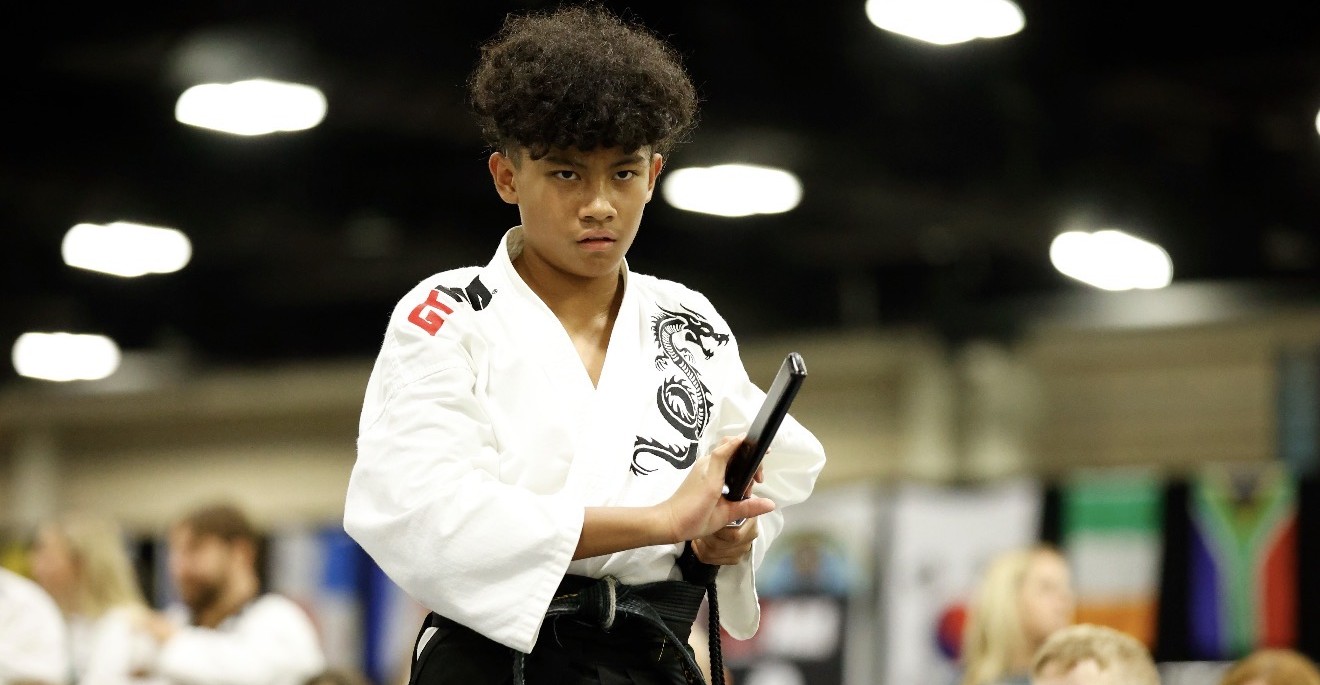
When most people think of martial arts, the mind immediately jumps to images of high-kicking athletes, precision forms, or intense tournament competition. We think of combat and sport. However, there is a far more profound dimension to these ancient disciplines that is often overlooked: Martial arts as a form of preventative medicine.
Rather than viewing the dojang or dojo merely as a place for self-defense, we should begin to view it as a primary care intervention. By shifting our perspective, we can see how martial arts serves as a proactive shield against age-related and lifestyle-driven diseases, reducing our reliance on reactive, conventional medicine.
The Cardiovascular and Metabolic Shield
The physiological benefits of martial arts are comprehensive and go far beyond basic aesthetics. Research in Healthcare (2025) suggests that consistent training leads to significant improvements in cardiovascular conditioning. This isn’t just about “getting in shape”; it is about clinical outcomes such as lowering resting heart rate, reducing arterial stiffness, and achieving healthier lipid profiles.
Because martial arts combines rapid bursts of power with continuous movement, it challenges both the aerobic and anaerobic systems. This dual demand boosts heart and lung function while building muscular endurance. Furthermore, there is a growing body of evidence regarding metabolic health. The high-intensity interval nature of many traditional styles improves insulin sensitivity and glucose metabolism, making it a powerful tool in preventing Type 2 diabetes—a cornerstone of modern lifestyle disease.
The functional nature of the movements—incorporating strength, flexibility, and coordination—supports long-term mobility. Studies by Muñoz-Vázquez et al. (2023) indicate that this holistic approach to movement reduces chronic disease risks and preserves independence well into later life. For the aging population, these benefits are literally life-saving. A systematic review in the Journal of Science and Medicine in Sport (2017) determined that “hard” martial arts (HMA), such as Taekwondo and Karate, significantly improve balance and postural stability. In a medical context, this translates to a marked reduction in the risk of falls and fractures—the leading causes of injury and lost autonomy in older adults.
Cognitive Longevity and the “Thinking” Athlete
The “medicine” provided by martial arts is not restricted to the body; it is equally potent for the brain. Recent findings in Frontiers in Psychology (2025/2026) highlight the neural mechanisms at play during martial arts exercise. Unlike repetitive gym exercises like treadmill running, martial arts requires constant strategy, memory (for complex kata or forms), and split-second decision-making during live drills.
This mental engagement leads to several clinical advantages:
Creating new synaptic pathways through complex motor learning and proprioceptive awareness
Better focus, faster processing speed, and superior multitasking abilities
Brain-body integration may delay onset of symptoms related to dementia and Alzheimer’s
Beyond cognition, the psychological impact is profound. In an era of skyrocketing cortisol levels, the dojang serves as a sanctuary for stress management. The “soft” internal focus required for proper breathing and technique regulates the autonomic nervous system, moving the body from a “fight or flight” state into a “rest and digest” state.
Dr. Mark Shirley
Interestingly, the Journal of Science and Medicine in Sport noted that the duration of training—the years spent on the mat—has a more significant impact on reducing anxiety and depression than the frequency of weekly sessions.
Conclusion: Movement Is the Best Prescription
The evidence is clear: martial arts are a multi-dimensional tool for health that addresses the physical, mental, and emotional pillars of well-being. From the “hard” impact that increases bone density to the meditative focus that calms the mind, these practices offer a comprehensive health package that few other solo activities can match. In short, movement is medicine.
Key References Cited
Origua Rios, S., et al. (2017). Journal of Science and Medicine in Sport.
Piepiora, P. (2025). Healthcare: A Review of 21st Century Literature.
Muñoz-Vázquez, et al. (2023). Physical and functional health benefits.
Frontiers in Psychology (2025/2026). Neural mechanisms and mental health in old age.