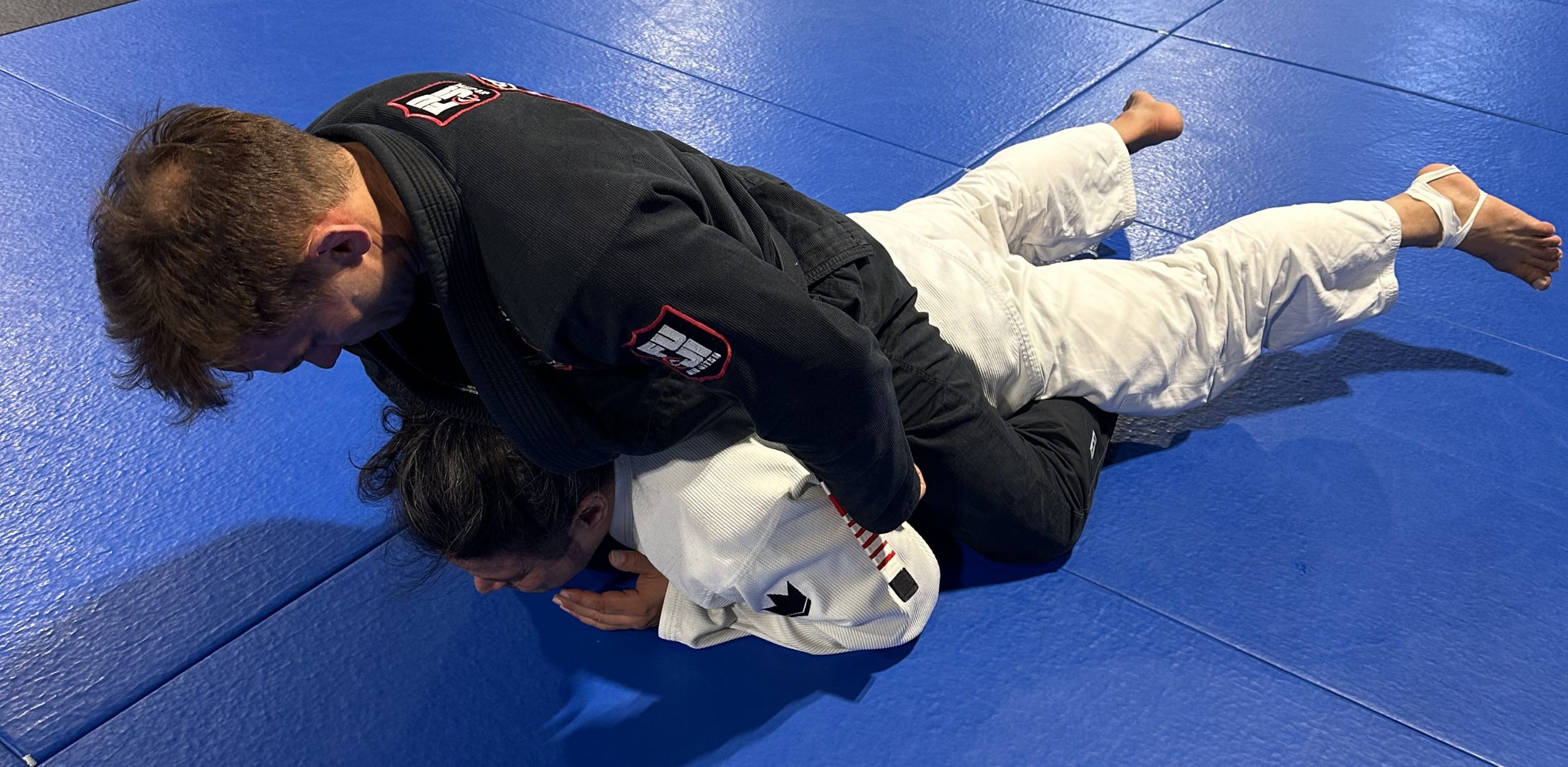
In Brazilian Jiu-Jitsu, it’s easy to fall in love with techniques. The first few years of training are filled with excitement—new submissions, sweeps, transitions, and endless variations. For white belts especially, every class feels like unlocking a new level. And that’s a great thing. That curiosity and hunger to learn are what draw people into the art.
But underneath all of those techniques lies something far more important—foundational principles.
Concepts like posture, mobility, pressure, and strong defensive positioning are the backbone of Jiu-Jitsu. They are what make techniques work. And more importantly, they are what allow a practitioner to evolve beyond simply memorizing moves into truly understanding the art.
For White Belts, These Principles Are Everything
A beginner might learn an armbar, but without proper posture control, it falls apart. They might attempt a guard pass, but without understanding pressure or balance, it becomes ineffective. Early on, it’s easy to overlook these details because the focus is often on “what” to do rather than “how” and “why” it works.
This is where many students either progress quickly—or plateau.
The students who begin to grasp posture—keeping their spine aligned, controlling their opponent’s structure—immediately become harder to sweep and submit. Those who develop mobility—hip movement, transitions, the ability to flow between positions—start to feel more comfortable in every exchange. Add pressure, and suddenly their top game becomes exhausting for their training partners. Layer in defensive awareness, and they become incredibly difficult to break.
Travis Tooke
At Black Belt, Everyone Knows the Techniques
What’s interesting is that these same principles don’t lose importance as you advance—they become even more critical.
At the black belt level, everyone knows techniques. Everyone has seen the same submissions, the same guards, the same passes. What separates one practitioner from another is not who knows more moves—it’s who applies the fundamentals better.
Personally, I’ve come to realize that I’ve learned more in the years after earning my black belt than I did on the journey from blue to black. In the earlier years, I was obsessed with expanding my arsenal. I loved learning new techniques, and I still do. There’s something exciting about discovering a new detail or variation.
But over time, my perspective shifted.
Fundamentals Are Advanced Jiu-Jitsu
Now, I find that it’s the fundamentals that make the biggest difference—both offensively and defensively. A slight improvement in posture can shut down an entire guard. Better pressure can turn a basic pass into something unstoppable. Sharper defensive positioning can make even high-level opponents struggle to create openings.
After more than 28 years of training, I’m still refining these areas. I’m still tightening my posture, improving my mobility, increasing my efficiency with pressure, and reinforcing my defensive habits. And what I’ve found is that every new technique I learn becomes more effective when it’s built on these principles.
That’s the key.
They’re what allow you to apply techniques under pressure, against skilled opponents, and in unpredictable situations. They give you consistency. They give you confidence. And ultimately, they give you longevity in the art.
Refining What’s Already There
There’s also something deeper about this stage of learning.
In the beginning, progress is measured by how many techniques you know. Later on, progress is measured by how well you can apply a few core concepts across everything you do. It becomes less about adding more—and more about refining what’s already there.
And in a way, that’s where the real satisfaction comes from.
There’s a different kind of enjoyment in hitting a clean, technical movement—not because it’s new, but because it’s precise. Because your timing, posture, pressure, and awareness all came together in that moment. It’s simple, but it’s powerful.
That’s the beauty of Jiu-Jitsu.
The Foundation and the Difference-Maker
No matter how long you’ve been training, the fundamentals are always there, waiting to be refined. For white belts, they are the foundation. For black belts, they are the difference-maker.
And for anyone committed to the journey, they are what turn Jiu-Jitsu from a collection of techniques into a true mastery of the art.