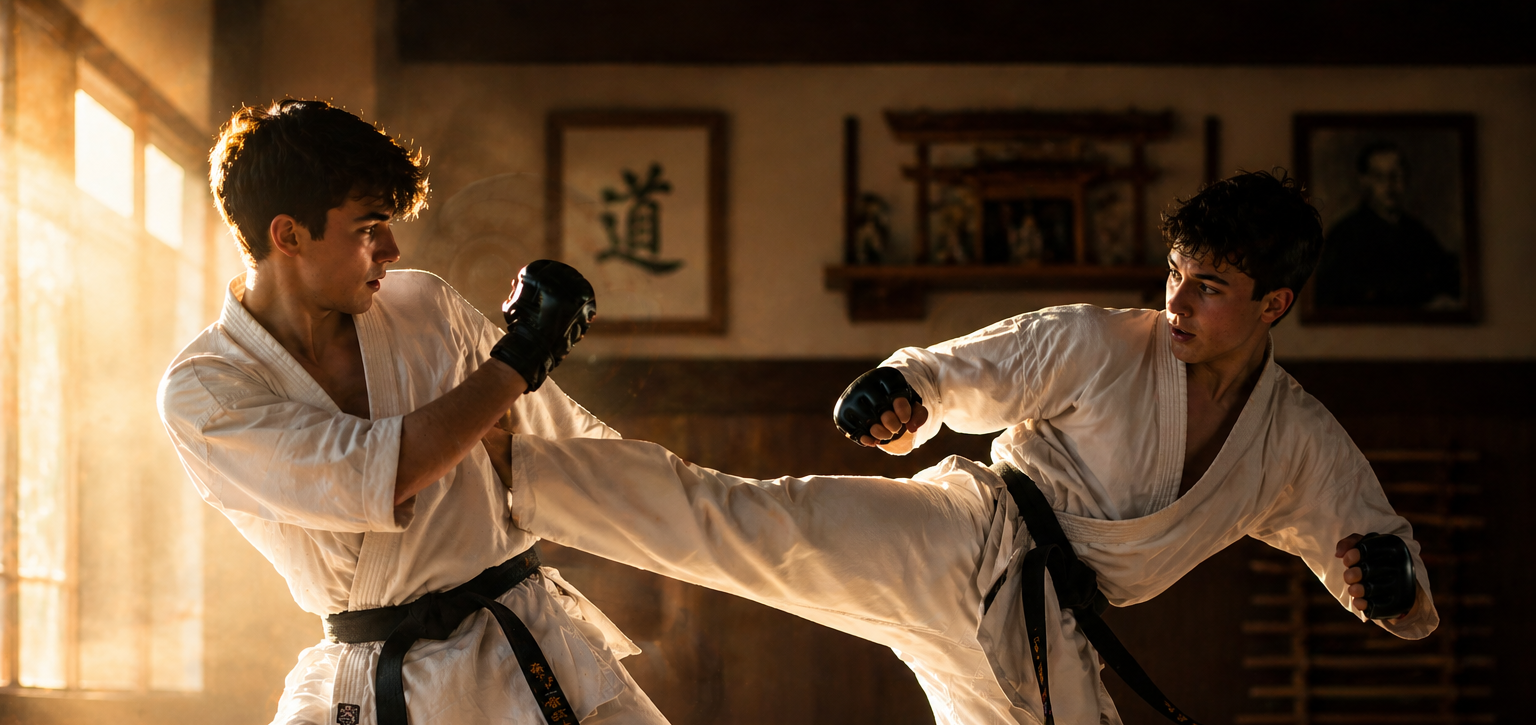
At its heart, sparring is a relative exchange of techniques between two people, adjusted to each partner’s level. Students learn distance, timing, reading an opponent, creating openings, and choosing when to dodge, evade, block, attack, or counterattack. These skills only develop inside a controlled learning environment designed to protect growth, confidence, and progress together.
Just as important is understanding what sparring is not. It is not an attempt to dominate, harm, or humiliate a training partner. It is not losing control, giving in to anger, or treating practice like a personal contest. It is not disrespecting or underestimating the person across from you. A good instructor frames sparring as a measure of progress and emphasizes restraint outside the school, except as a last measure for safety and learning.
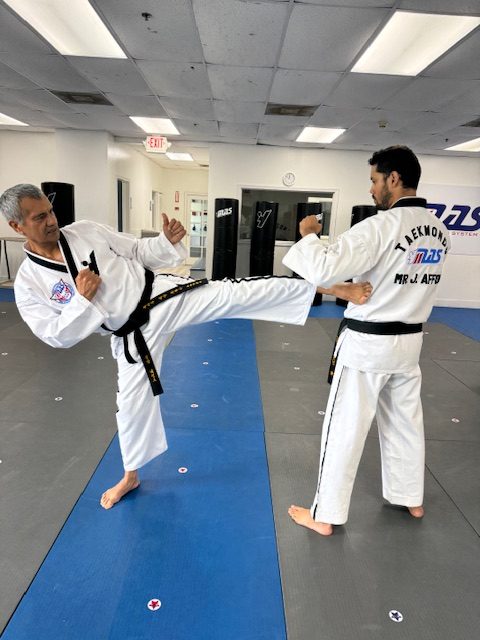
Light sparring provides a low-pressure space to warm up, test unfamiliar movements, and build comfort. Speed and power are reduced so students can focus on distance and strategy without fear. Slow-motion exchanges help partners analyze what comes next and how positioning changes outcomes. For beginners, light sparring bridges drills and freer movement, building confidence while preserving safety and curiosity about trying techniques they may otherwise avoid during early training phases.
“Controlled rounds refine judgment and timing, strengthening trust between partners and reinforcing respectful gym culture.”
Cesar Ozuna
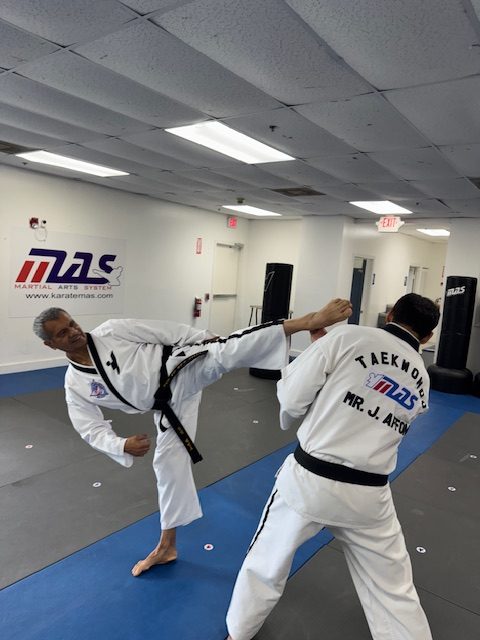
Controlled sparring develops precision and responsibility. Practitioners demonstrate techniques with accuracy while stopping short of full contact. The intent is to show that a strike or kick could reach the target without causing harm. This level demands awareness, balance, and restraint, teaching students to manage power while maintaining clean form. Over time, controlled rounds refine judgment and timing, strengthening trust between partners and reinforcing respectful gym culture through consistent mindful practice.
Competitive sparring offers a structured chance to apply training under rules and supervision. Techniques must reach the target, though not necessarily with full contact, and formats vary by martial art. Judges help maintain safety and fairness, creating an environment where students can demonstrate preparation from class. The aim is growth under pressure — learning to perform with composure, awareness, and control rather than chasing outcomes at any cost.
Safety equipment supports learning by reducing risk for both partners. Modern protective gear can include head, face, hands, feet, chest, knees, and mouth protection, helping soften impact and prevent unnecessary injury. Wearing gear also protects the person executing techniques, allowing commitment without fear of causing harm. Consistent equipment use reinforces a culture in which safety is a shared responsibility and preparation is part of disciplined training in every session.
Etiquette shapes how sparring feels day to day. Partners communicate intensity, reset after exchanges, and acknowledge good control. Being friendly while focused builds confidence and keeps learning collaborative. Students learn to choose the right response at the right moment, whether to defend, counterattack, or attack when opportunity arises. Instructors watch for calm presence, technical control, and respectful conduct as signals that sparring is serving development rather than feeding ego.
“Practiced safely, sparring builds skill and character at once — teaching control under pressure and respect for others.”
Cesar Ozuna
Early progress is visible in small, steady gains. Students manage distance more reliably, control techniques more consistently, and remain composed while exchanging. Confidence grows as choices improve and reactions become intentional. Friendly engagement replaces tension, and awareness guides when to move, block, or create openings. Instructors recognize these shifts as markers of readiness to advance through sparring levels while preserving safety, respect, and the long view of learning across every training cycle.
A healthy sparring culture depends on instructors setting expectations and students honoring them. Clear guidance helps partners match intensity, protect each other, and learn from mistakes without blame. When boundaries are respected, feedback becomes easier to accept, and improvement accelerates. The room stays focused on development, not dominance, and every round becomes a chance to practice discipline, patience, and accountability in motion.
Ultimately, sparring works when partners treat it as a shared study. Each exchange provides information about timing, distance, and decision-making. Practiced safely, sparring builds skill and character at once, teaching control under pressure and respect for others. When students commit to light, controlled, and competitive formats appropriately, progress becomes measurable and confidence durable, carrying lessons from the mat into responsible choices beyond it.

Grand Master Ozuna, born in San Pedro, Paraguay, in 1958, is a distinguished martial artist and founder of the Songahm Taekwondo Federation (STF), which unites over 200 schools across ten South American countries. With a career spanning over four decades, he has significantly influenced martial arts globally, especially after relocating to South Florida in 1997 where he opened six ATA schools. Under his guidance, more than 300 instructors and numerous black belts — including his three daughters — have flourished worldwide. He holds multiple high-ranking black belts, including Grand Master certifications in Moo Duk Kwan and Songahm Taekwondo, and an extensive background in international business and finance. Multilingual and internationally experienced, Grand Master Ozuna is a respected leader shaping martial arts education across continents.