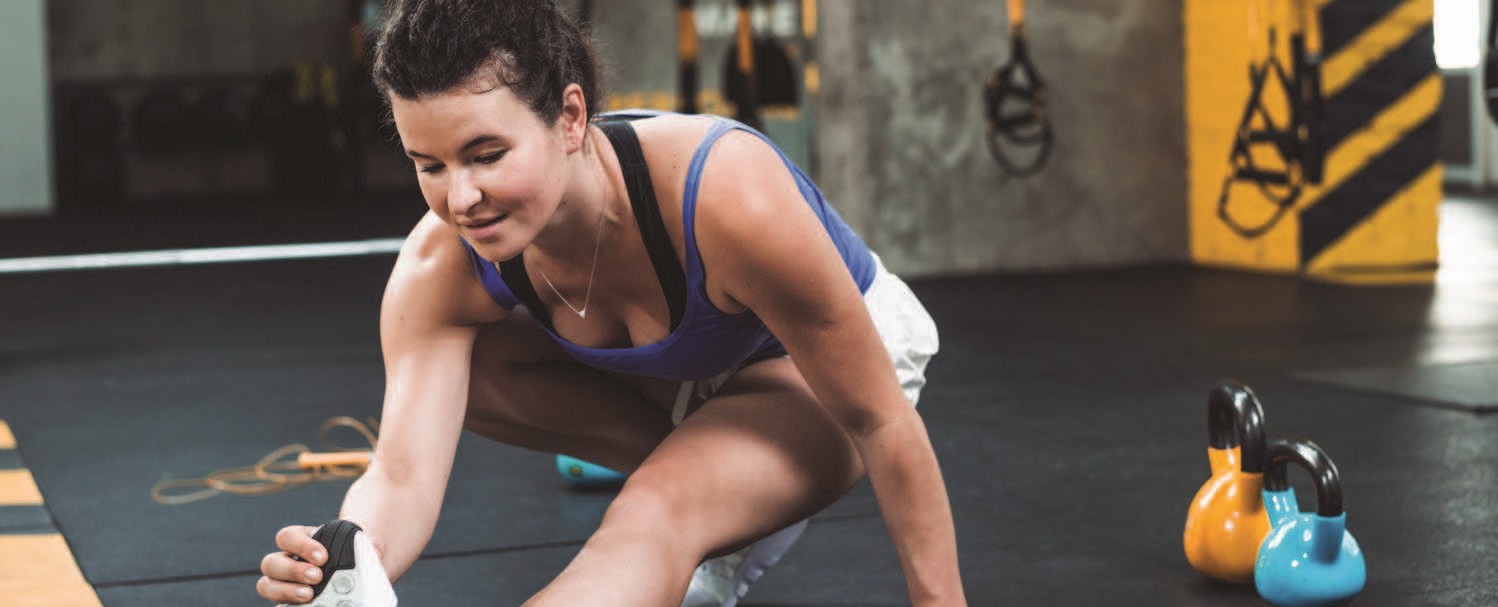
Martial arts — whether Brazilian Jiu-Jitsu, Muay Thai, Taekwondo or MMA — demand an extraordinary level of physical resilience. Unlike many traditional sports, martial artists deal with high-impact collisions, agility movements requiring speed and precision in many different planes and axes of motion, extreme joint manipulation, and repetitive ballistic movements. While the focus is often on technique, the most effective shield against injury isn’t a better block, a faster kick, or better leg sweep; it’s the physiological foundation built through fitness, nutrition, sleep, hydration, and recovery.

1. Fitness: Structural Integrity and Sport-Specific Conditioning
Injury prevention begins with structural balance. In martial arts, repetitive motions (like throwing thousands of roundhouse kicks) can lead to muscular imbalances. For instance, strikers often develop overactive anterior deltoids and pectorals, leading to “rounded shoulders” and a higher risk of rotator cuff tears.
Resistance Training
Modern sports science emphasizes that strength training increases bone mineral density and tendon stiffness. A study in the British Journal of Sports Medicine suggests that strength training programs can reduce sports injuries by less than 1/3 and overuse injuries by almost 50% (Lauersen et al., 2014).
Proprioception and Plyometrics
Plyometrics is the “jump training” that involves teaching the body to land and pivot safely. Incorporating plyometrics helps the neuromuscular system handle the “stretch-shortening cycle,” which is vital for preventing ACL tears during rapid changes in direction.
“Consistency is the hallmark of a master, but you cannot be consistent if you are sidelined by injury.”
Dr. Mark Shirley
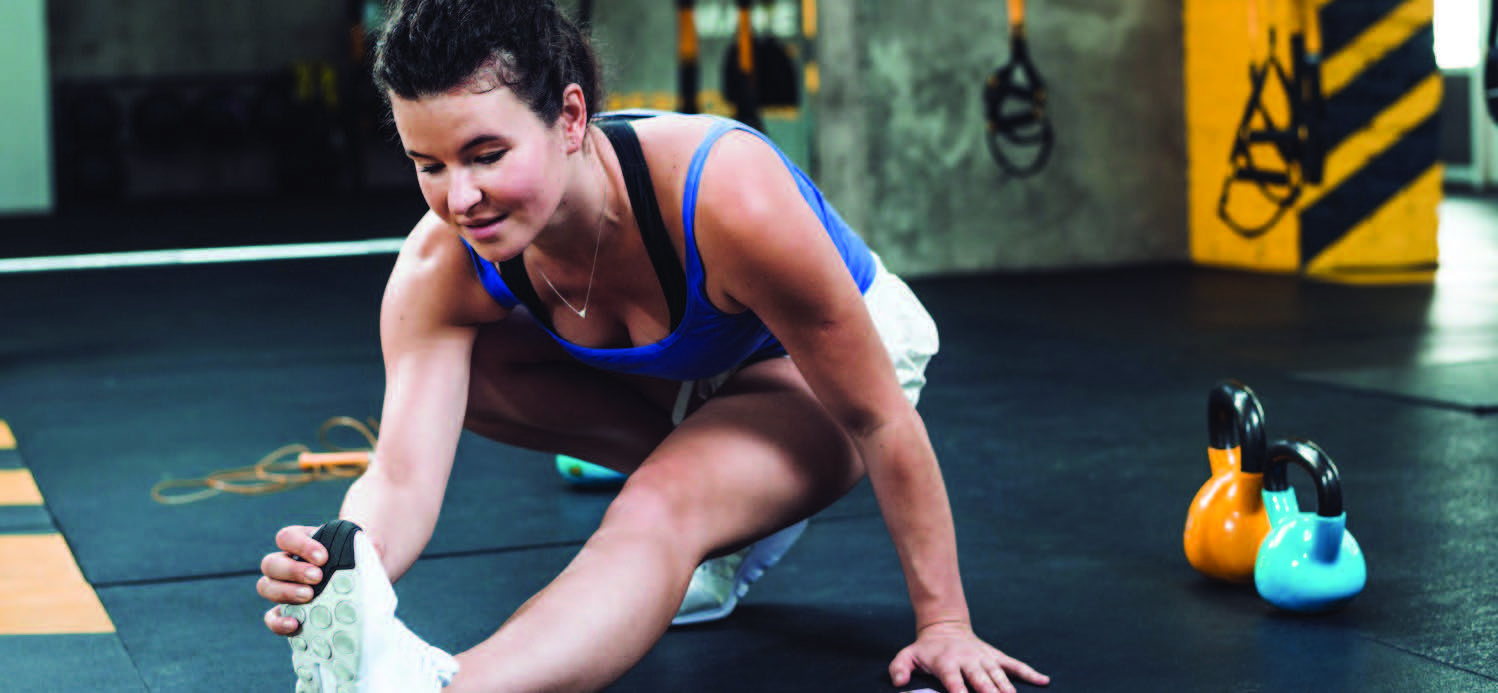
2. Nutrition: Fueling for Resilience
Nutrition in martial arts is often misunderstood as merely a tool for making weight. However, chronic under-fueling leads to Relative Energy Deficiency in Sport (RED-S), which significantly increases the risk of stress fractures and illness.
Protein for Repair
High-intensity training causes micro-trauma to muscle fibers. To facilitate repair, martial artists should aim for 1.6 to 2.2 grams of protein per kilogram of body weight.
Micronutrients
Vitamin D and Calcium are non-negotiable for bone health. Research indicates that athletes with Vitamin D levels below 30 ng/mL have a significantly higher incidence of muscle strains and inflammatory injuries.
Anti-Inflammatory Fats
Omega-3 fatty acids (found in fish oil) can help manage systemic inflammation, protecting the joints from the wear and tear of daily grappling or sparring.
3. Sleep: The Ultimate Ergogenic Aid
Sleep is the only time the body truly shifts into an anabolic (building) state. During deep sleep (Slow Wave Sleep), the pituitary gland releases Human Growth Hormone (HGH), which is essential for tissue repair and bone growth.
Cognitive Function
Martial arts require split-second decision-making. Sleep deprivation impairs reaction time and proprioception, making an athlete more likely to mistime a fall, fail to protect their head, and fail to maintain “Hands up! Chin down!”
The Injury Threshold
A landmark study published in the Journal of Pediatric Orthopaedics found that adolescent athletes who slept less than 8 hours per night were 1.7 times more likely to suffer an injury compared to those who slept 8 or more hours (Milewski et al., 2014).
4. Hydration: Joint Lubrication and Cognitive Safety
Dehydration is a hidden culprit in martial arts injuries. Beyond muscle cramps, it affects the structural integrity of the body.
Synovial Fluid and Discs
Intervertebral discs and joint capsules rely on hydration to maintain their shock-absorbing properties. Dehydrated discs are more prone to herniation during high-impact throws or grappling scrambles.
Concussion Risk
There is emerging evidence suggesting that dehydration reduces the volume of cerebrospinal fluid, which acts as a buffer for the brain. This may increase the risk of concussions during striking or falls.
Electrolyte Balance
Sodium and magnesium are critical for nerve signaling. A deficit can lead to involuntary muscle spasms, causing an athlete to “lock up” mid-movement, potentially leading to acute ligament tears. Hydrate! Hydrate! Hydrate! Ensure your urine is “7-Up” clear.
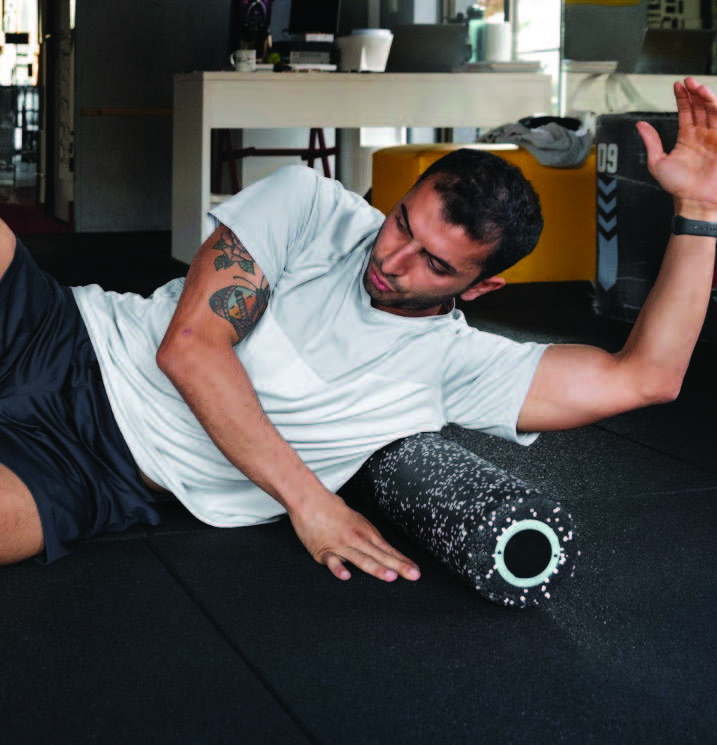
5. Proper Recovery: The Art of Deloading
In the “tough guy” culture of martial arts, more is often mistaken for better. However, injury usually occurs during overload, when stress exceeds the capacity of the tissue.
Active Recovery
Gentle movement (like light yoga or swimming) increases blood flow to damaged tissues without adding further mechanical stress.
Monitoring Training Load
Utilizing the Acute:Chronic Workload Ratio (ACWR) helps prevent spikes in training intensity. If your training volume this week is more than 1.5x your average over the last month, your injury risk skyrockets. The take-home point is simple: avoid spikes in training volume.
Periodization
Athletes should follow a structured program that includes reduced load weeks — periods of reduced intensity that allow the nervous system and connective tissues to fully catch up to the adaptations of the muscles and recover appropriately.
“The martial artist’s greatest enemy isn’t their opponent — it’s the physical breakdown that comes from neglecting the pillars of health.”
Dr. Mark Shirley
The professional literature supports managing repetition, emphasizing technique and progressive conditioning, and using varied targets. Heavy bags can alter impact load and are useful for conditioning, but they do not remove joint loads entirely. Many authors recommend limiting high-volume maximal ballistic full-extension air-kicking — especially when fatigued or unconditioned — and instead using a planned mix of target types with strength and neuromuscular conditioning.
By integrating a scientific approach to strength, fueling the body with precision, prioritizing the restorative power of sleep, and respecting the limits of tissue recovery, an athlete can ensure their longevity on the mats. Consistency is the hallmark of a master, but you cannot be consistent if you are sidelined by injury.
Scientific References
- Corcoran, D., et al. (2024). “Impact Force and Velocities for Kicking Strikes in Combat Sports: A Literature Review.” Sports.
- Lauersen, J. B., et al. (2014). “The effectiveness of exercise interventions to prevent sports injuries.” British Journal of Sports Medicine.
- Milewski, M. D., et al. (2014). “Chronic lack of sleep is associated with increased sports injuries in adolescent athletes.” Journal of Pediatric Orthopaedics.
- Thomas, D. T., et al. (2016). “Position of the Academy of Nutrition and Dietetics: Nutrition and Athletic Performance.” Journal of the Academy of Nutrition and Dietetics.
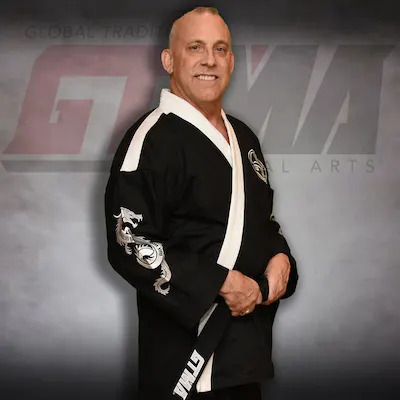
Dr. Mark E. Shirley is an Emergency Medicine physician at Memorial Community Hospital in Blair, Nebraska, with subspecialty board certification in Sports Medicine. He recently retired as a U.S. Air Force Colonel, Flight Surgeon, and State Air Surgeon with the Nebraska Air National Guard after 35 years of service. In that role, he served as the state’s Chief Medical Officer, medical liaison to the Adjutant General, and oversaw the medical readiness of pilots, flight crew, and more than 1,000 service members. His distinguished career earned multiple commendations, including the Legion of Merit, for leadership, innovation, and excellence in military medicine.
A 6th Degree Black Belt and Master of G-Shim Taekwondo, Dr. Shirley is the Sports Medicine Physician and Director of Fitness & Nutrition for Global Traditional Martial Arts (GTMA). With over 46 years of experience as a martial artist, he has been instrumental in advancing training, performance standards, and athlete well-being. His lifelong commitment to medicine, military service, and martial arts reflects his values of discipline, resilience, and service to others.